
As more Americans consider relocating for retirement, healthcare access and long-term planning are becoming just as important as taxes, housing costs, and quality of life. In a recent Let’s Moveconversation, veteran nurse and senior care consultant Cheryl Field offered a sobering but empowering perspective on what aging adults—and the families who support them—must understand before the next health crisis hits.
Field is the author of PREPARED! A Healthcare Guide for Aging Adults, a practical, plain-language roadmap designed to help older adults and caregivers navigate a healthcare environment she describes as “not really a system at all.”
With 35 years of experience in senior care, Field has seen firsthand how gaps in communication, lack of preparation, and unrealistic expectations can lead to poor outcomes—especially for those aging without a strong advocate.
A Personal Wake-Up Call That Became a Mission
The inspiration for Prepared is deeply personal. The woman featured on the book’s cover is Field’s aunt, Marguerite “Chumm” Solik, who lived with Field’s family for 17 years in a multigenerational household. Over time, Field transitioned from niece to caregiver, navigating hospital stays, transitions of care, and the realities of aging in America.
She later became an advocate for her own mother while working professionally in senior care—an experience that shocked her.
“Even as a nurse, I was stunned by how broken and disconnected care really is,” Field said. “And I worried deeply about the millions of older adults who don’t have a nurse in the family.”
That concern led her to write a guide not filled with medical jargon, but with practical, real-world guidance: what to bring to the emergency room, who is actually in charge of your care in a hospital, how transitions between providers work, and how to ask the right questions without alienating already overworked staff.
Why Healthcare Planning Should Be Part of Relocation Decisions
For retirees considering a move—whether to New Hampshire or elsewhere—Field urges people to think beyond scenery and finances.
“Where do you want to age?” she asked. “And does that place support the kind of care you may need, not just today, but ten years from now?”
Access to specialists, home health services, hospice programs, and senior-focused care varies dramatically by region—and even by county. This is particularly relevant for Medicare Advantage plans, which are contracted at the county level. Two towns apart can mean two very different healthcare options.
For those relocating later in life, researching healthcare infrastructure should be as essential as researching real estate.
Medicare Is Not One-Size-Fits-All
Field emphasized that many Americans are unprepared for the complexity of Medicare—especially those transitioning at age 65.
Unlike employer-sponsored insurance, Medicare requires individuals to act as their own benefits department. Choices between traditional Medicare, Medicare Advantage, and supplemental plans require careful comparison of networks, deductibles, referral rules, and out-of-pocket costs.
“Six months is not excessive—it’s smart,” Field said. “And a year is even better.”
She also warned that managed Medicare plans are designed to control costs, which means denials and prior authorizations are common. Advocacy is not optional.
“You are the quarterback of your health,” she said. “If you don’t push back, you don’t get the scan, the test, or the care you need.”
The Reality of Aging: Most Declines Are Not Sudden
One of the most powerful insights Field shared is statistical—and uncomfortable.
Ninety-two percent of people over 65 experience a slow, steady decline at the end of life. Only eight percent die suddenly.
“That fantasy of ‘I’ll just go to sleep and not wake up’—we all want it,” Field said. “But most of us won’t get it. Preparation matters.”
She explained that functional decline often mirrors early childhood development in reverse: dressing, bathing, mobility, continence, and eventually feeding. Families who plan early can choose how and where support is added—rather than being forced into rushed decisions during a crisis.
Aging at Home vs. Assisted Living: The Hard Truth
Field is candid about one of the most common—and damaging—promises adult children make: “We’ll keep you at home, and we won’t bring in strangers.”
“That promise is a mistake,” she said.
Aging at home requires accepting outside help early and often. Refusing assistance frequently leads to caregiver burnout, family conflict, and emergency transitions into facilities under stress.
Incontinence and dementia-related behavioral changes are two of the most common tipping points that force a move. These situations often require trained professionals, not exhausted family members.
Planning these transitions early—emotionally and logistically—allows families to maintain dignity, safety, and relationships.
The “Oh Sh*t Moment” and the Power of Advocacy
Field describes the first chapter of Prepared as intentionally uncomfortable. It focuses on readiness for the inevitable 3 a.m. phone call—the “oh sh*t moment” when health suddenly changes.
Denial, she said, is the greatest risk.
She also teaches a simple advocacy framework using the acronym B.I.T.C.H.:
- B – Bring information
- I – Gather new information
- T – Take control
- C – Coordinate and communicate
- H – Get back home (however home is defined)
It’s not about confrontation—it’s about clarity, confidence, and coordination.
A Resource for Aging Adults, Caregivers, and New Residents
Prepared! A Healthcare Guide for Aging Adults is available nationwide, including in large-print editions—a deliberate choice, as only a small percentage of books are accessible in that format.
For those relocating, aging in place, or helping a parent navigate the next stage of life, Field’s message is clear: preparation is not pessimism—it’s protection.
As more retirees look to states like New Hampshire for lifestyle and independence, understanding the healthcare landscape may be the most important move of all.
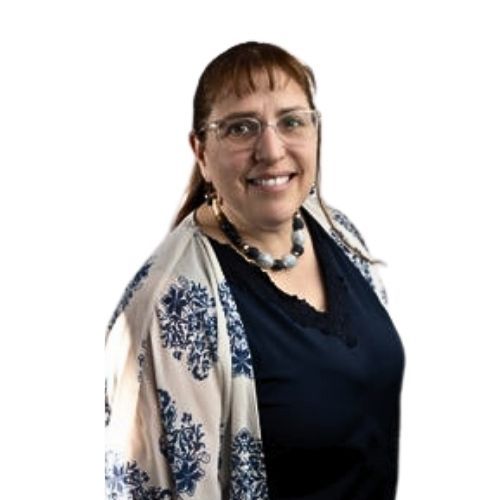
Cheryl Field, RN, Senior Care Consultant & Author
Cheryl Field is a nurse who has worked in healthcare for over 35 years. Cheryl has served a variety of roles, including clinical director, VP of Healthcare, Chief Product Officer. Cheryl has spoken at state and national conventions for over 25 years on a variety of healthcare care industry topics. Along that journey she focused on caring for seniors who needed rehabilitation after hospitalization, and applied that passion to clinical technology companies. After being introduced to IFS Cheryl realized that IFS was able to help her, and other nurses begin healing from professional and personal traumas. Now Cheryl is working IFS into her message. Authoring her first IFS focused chapter in You Can, You Will in 2023, which helped Cheryl to organize her parts and complete a book project one part started 10 years ago. Now an International Best-selling author of Prepared! A Healthcare Guide for Aging Adults, Cheryl spends her empty nesting time speaking at grand rounds for clinical teams, at local libraries, 55+ communities and senior centers on a variety of topics related to senior care.